-
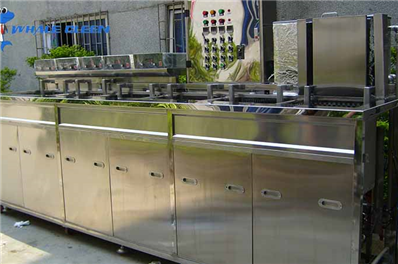 The Complete Guide to Cleaning Test Tubes with an Ultrasonic Cleaner
1. Why Use an Ultrasonic Cleaner for Test Tubes? Superior Cleaning:Removes stubborn residues (chemical, biological, or particulate) Gentle on Glass:Prevents scratches compared to manual scrubbing Time-Efficient
-
 The Milling Cutter & Tap Cleaning Secret: Why Ultrasonic Outperforms Manual Methods
In any precision machining environment, the cleanliness of cutting tools like milling cutters and taps is directly linked to part quality, tool life, and production stability. Yet, the most common cleaning method—manual scrubbing with brushes, cloths, or
-
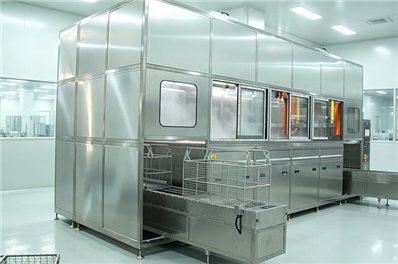 Precision Gauge Maintenance: How Ultrasonic Cleaning Avoids Costly Missteps
In the world of precision manufacturing, a precision gauge is the silent guardian of quality. Its dimensional accuracy dictates the fit, function, and safety of countless industrial products. Yet, a gauge's long-term accuracy isn't just a function
-
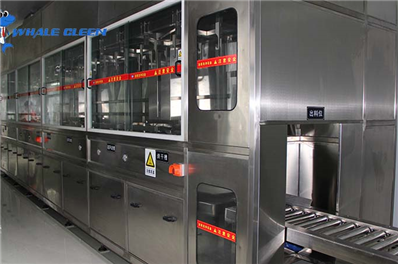 Why Does the Ultrasonic Cleaner Turn Things Black? Unveiling the Causes and Solutions
Discovering black particles floating in the water or a dark film on your items after ultrasonic cleaning can be alarming. Is your jewelry ruined? Is the machine faulty? In most cases, this "blackening" is a normal—even positive—indicator of the
-
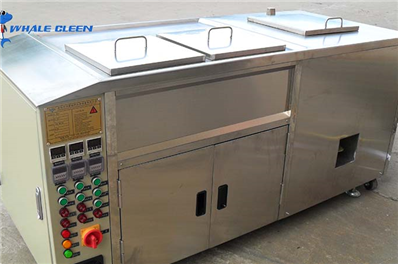 Why Can Ultrasonic Cleaners Penetrate Aluminum Foil? The Science Behind the Phenomenon
When people first witness anultrasonic cleanereffortlessly working through a barrier like aluminum foil, it often sparks curiosity and disbelief. How can a machine that uses sound waves clean objects wrapped in a material that seems impenetrable? The answ
-
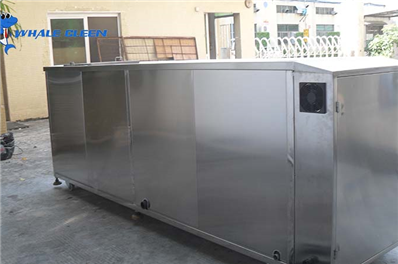 Why Do Ultrasonic Cleaners Have Temperature Control? The Science Behind the Heat
If you've shopped for or used an ultrasonic cleaner, you've likely noticed that many models come with a built-in heating function and a temperature control setting. This might lead you to wonder: if the cleaning power comes from ultrasonic waves,
-
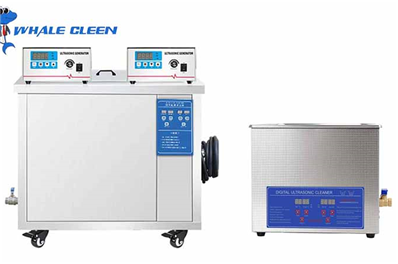 Why Ultrasonic Cleaners Can Remove Rust: The Science Behind Effective Rust Removal
Article Content Rust is a common yet stubborn problem that affects metal objects, from industrial machinery to household tools. Traditional rust removal methods often involve abrasive techniques or harsh chemicals, which can damage materials and pose e
-
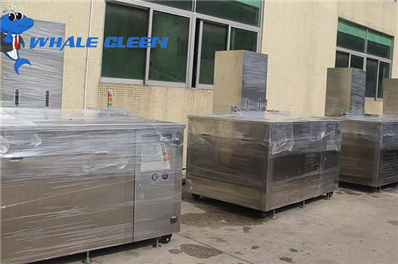 How to Prevent Rust After Ultrasonic Cleaning: 5 Scientifically Proven Protection Methods
Proper rust prevention after ultrasonic cleaning is crucial for metal parts longevity. This guide covers industrial-grade passivation techniques, eco-friendly sealants, and cutting-edge nano-coatings to create durable anti-corrosion barriers while maintai
-
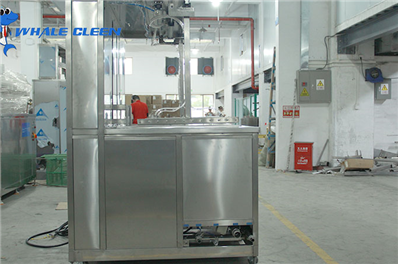 How to Measure an Ultrasonic Cleaner? Comprehensive Guide and Practical Tips
1. The Importance of Measuring Ultrasonic Cleaners The performance of an ultrasonic cleaner directly impacts cleaning efficiency and equipment lifespan. Regular measurement helps avoid issues such as: Reduced Cleaning Efficiency: Aging o
-
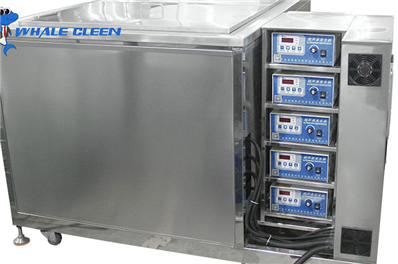 Why Don't Ultrasonic Cleaners Use Aluminum? Scientific Analysis and Practical Insights
Ultrasonic cleaners are widely used in industries, laboratories, and households for their ability to remove contaminants from intricate surfaces. However, one notable observation is that these devices rarely use aluminum in their critical components, such
-
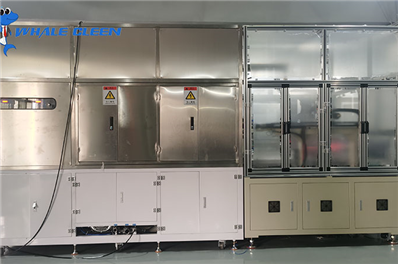 What Category Does an Ultrasonic Cleaning Machine Belong To?
Classification of Ultrasonic Cleaning Machines Ultrasonic cleaning machines are versatile tools used across a wide range of industries due to their ability to clean items thoroughly and efficiently. These machines can be categorized based on their use,
-
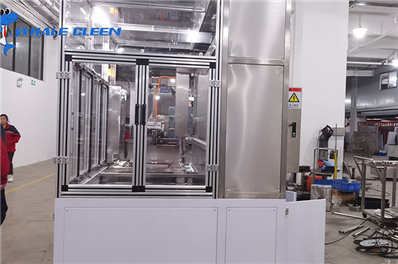 What is a Dual-Frequency Ultrasonic Cleaner? Comprehensive Analysis and Applications
Introduction Ultrasonic cleaning is a widely recognized technology for achieving thorough cleaning in various industries, from healthcare to manufacturing. Traditional ultrasonic cleaners typically operate at a single frequency, which may limit their e